Overview
Who funds the scholarships?
Scholar’s App connects students with verified scholarships and gives parents, high school counselors and donors their own place in the process. In autumn 2021 Moonlight Labs, the Maui studio redesigning the platform, brought me in to plan the content that would bring more of the people who fund them, the donors, onto it.
Problem
Every scholarship starts with a donor
Students arrive looking for funding, but a scholarship reaches them only after a donor lists it. That donor, whether a foundation, a company or a family fund, has to be persuaded to move the scholarship off paper and email and onto a platform they haven’t used before, so the content had to win that decision.
Audit
The site, the competition and the visitors
I started with the product, its website and the competition, above all Blackbaud, the established name in scholarship and fundraising software. Hotjar data showed how visitors moved through the Scholar’s App site, and outreach research looked at where the content could travel beyond the blog. Together they set the plan’s direction: speak to donors first.
Solution
Go Paperless, one argument in many articles
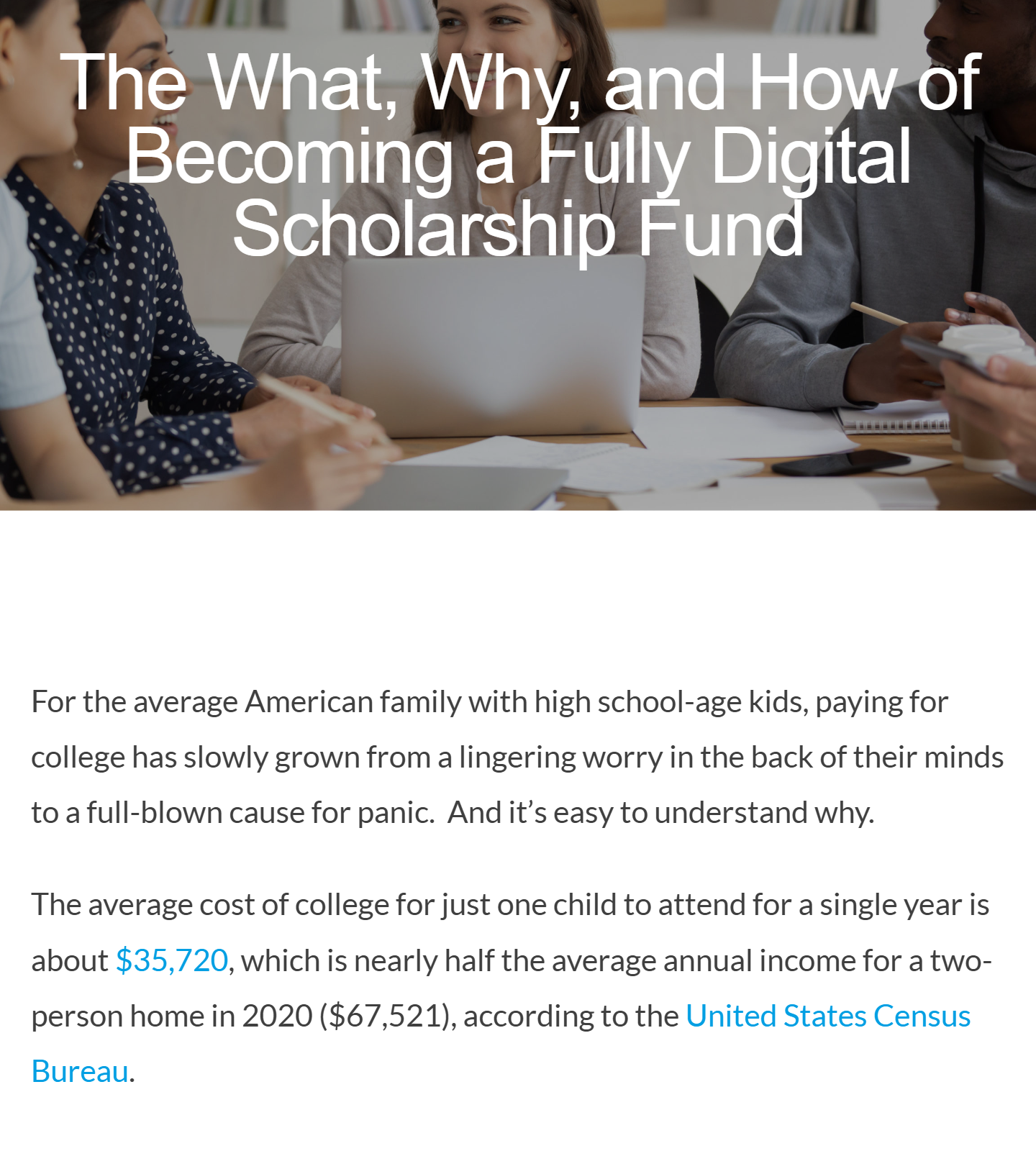
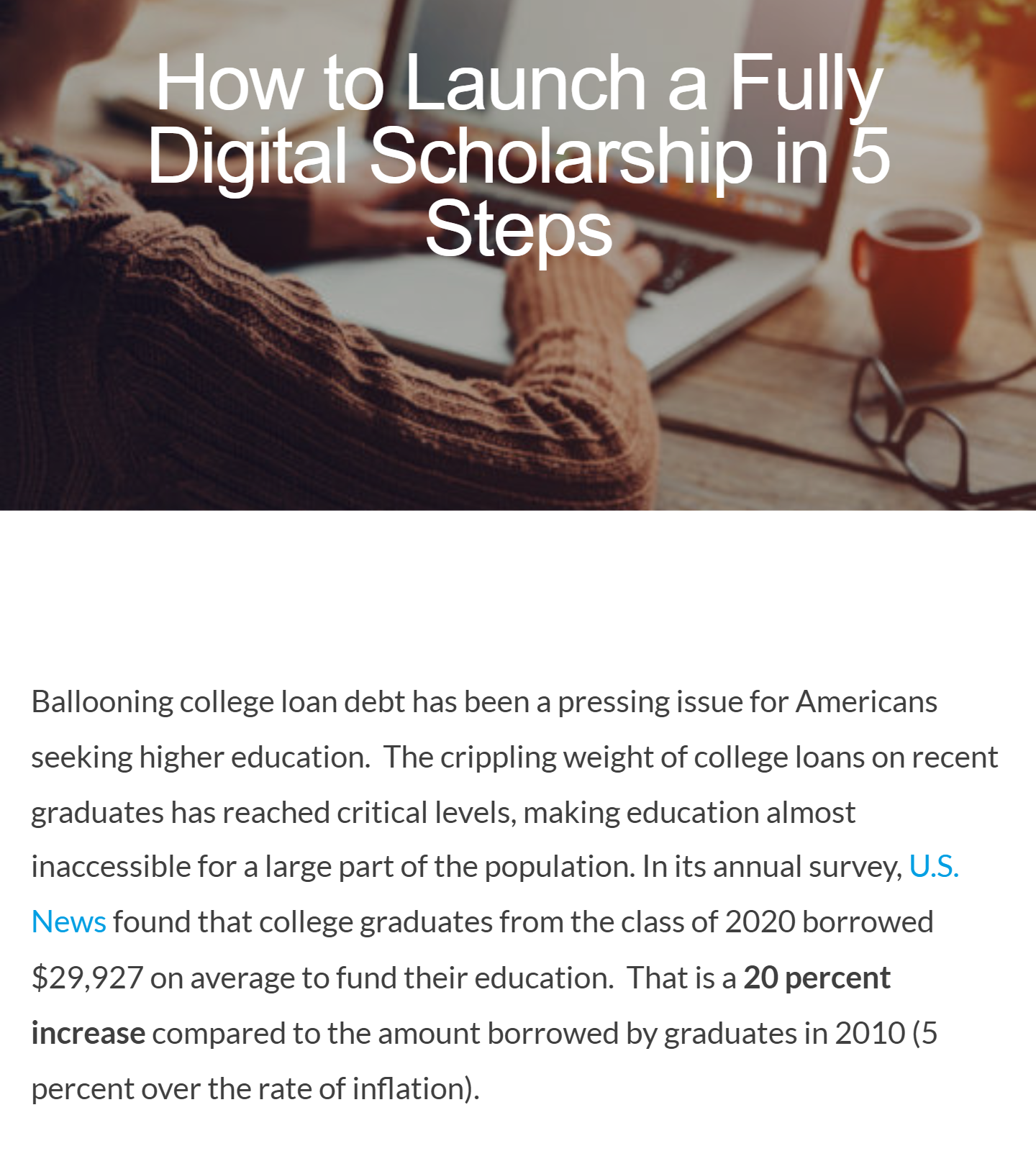
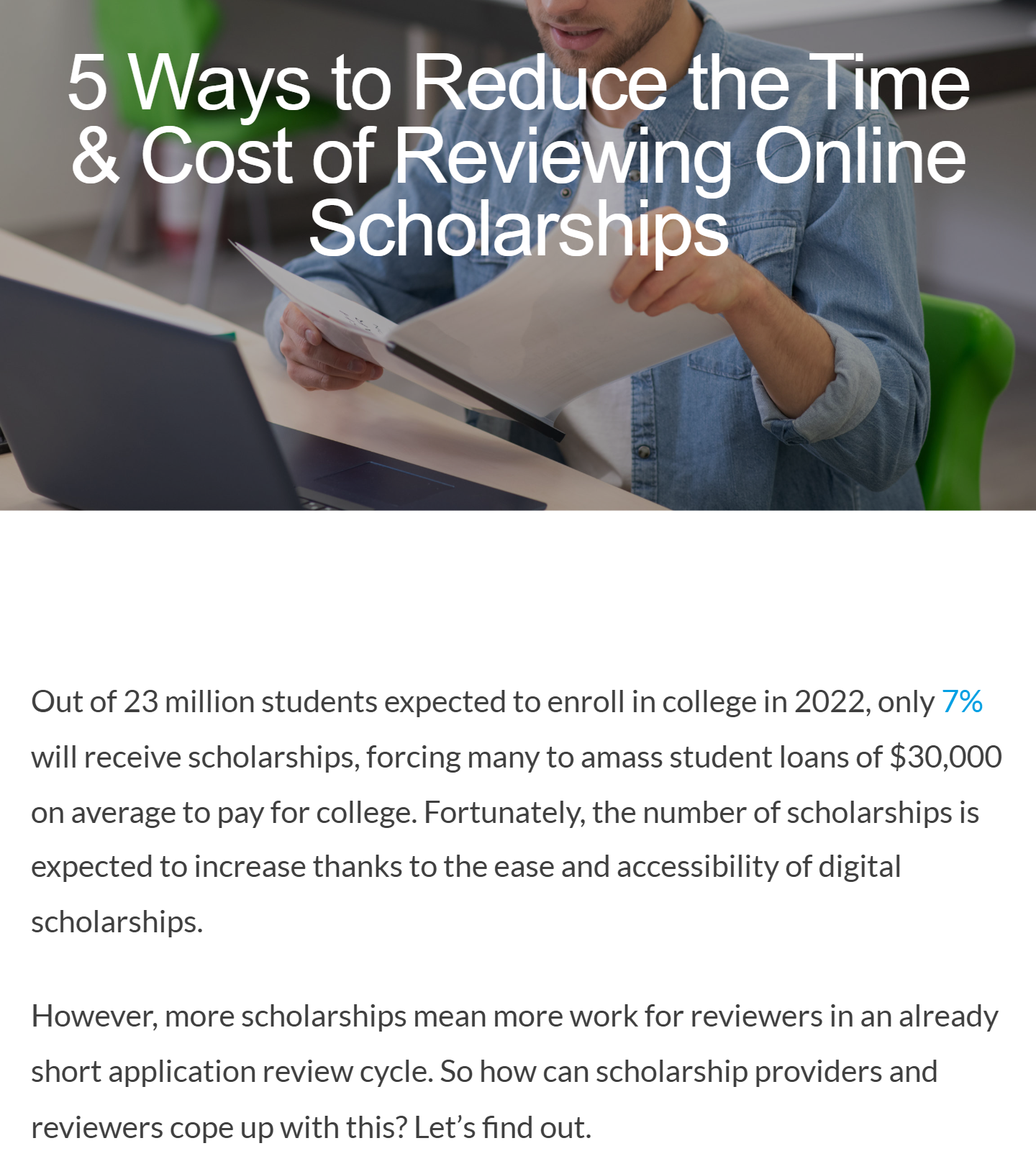
The plan rested on one argument: scholarship management belongs online, where it costs a fund less to run and reaches more students. The Go Paperless calendar turned that into a series of donor-facing articles, from launching a digital fund to cutting the time spent reviewing applications. Writers on my team drafted the articles to the calendar, and Moonlight Labs published them on the Scholar’s App blog.
Writing
Guides a fund manager can act on
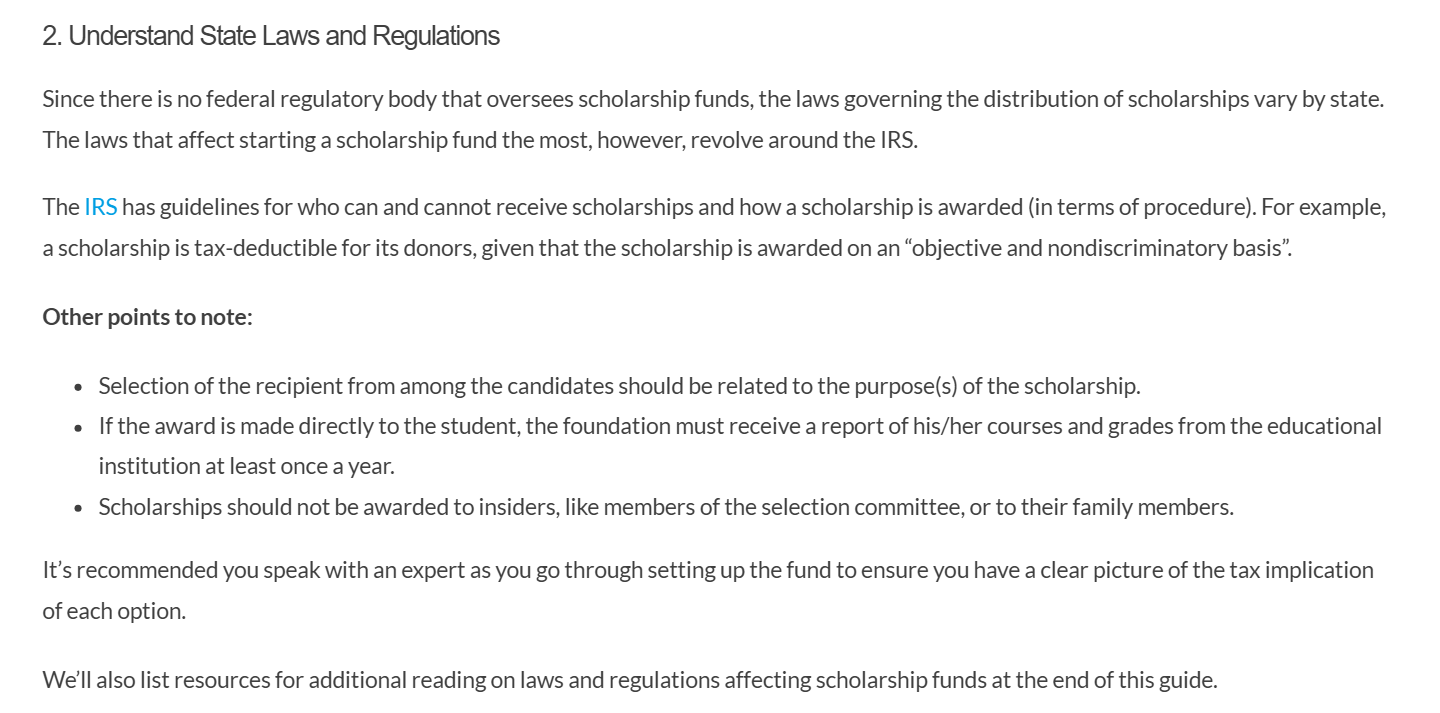
The articles are written for the person who runs the fund. The launch guide, for one, walks them through five steps, from the IRS rules for a tax-deductible award to who the scholarship should reach, how long it should run and where to promote it.
Outcome
The series ran through December
The calendar’s articles ran on the Scholar’s App blog from 6 to 28 December 2021, each tagged for scholarship providers.